
Days 1 to 5: protecting the chest against early bleeding
The first 48 hours matter most for preventing a haematoma (a bleed under the skin flap). Keep your arms close to your sides like you have invisible shopping bags tucked under your elbows: no heaving yourself upright with your palms, no reaching high kitchen cupboards, and no lifting heavy rucksacks.
Sleep propped on two pillows on your back. Stroll around the house or down the road every couple of hours to keep calf circulation moving, and take your prescribed pain relief on schedule for the first two or three days.
Hiding the compression vest at work (weeks 1 to 4)
After surgery you wear a slim medical compression vest day and night for three to six weeks so the skin adheres flat against the pectoral fascia while swelling clears. Most Irish clinics supply a black or skin-tone zip-front or hook-front sleeveless vest. Buying a second identical vest lets you wash one while wearing the other.
Under a brushed cotton Oxford shirt, overshirt, crew-neck jumper or quarter-zip fleece, nobody in an office can spot it. Remote desk work is often fine after four to seven days, and commuting office jobs around one to two weeks; manual work, warehouse lifting or contact sport need longer.
Returning to lifting and sport without ruining your chest contour
| Stage | Usually safe once cleared | Keep off the menu |
|---|---|---|
| Days 2 to 10 | Easy outdoor flat walks (20 to 40 mins) | Any gym work, elevating heart rate or blood pressure |
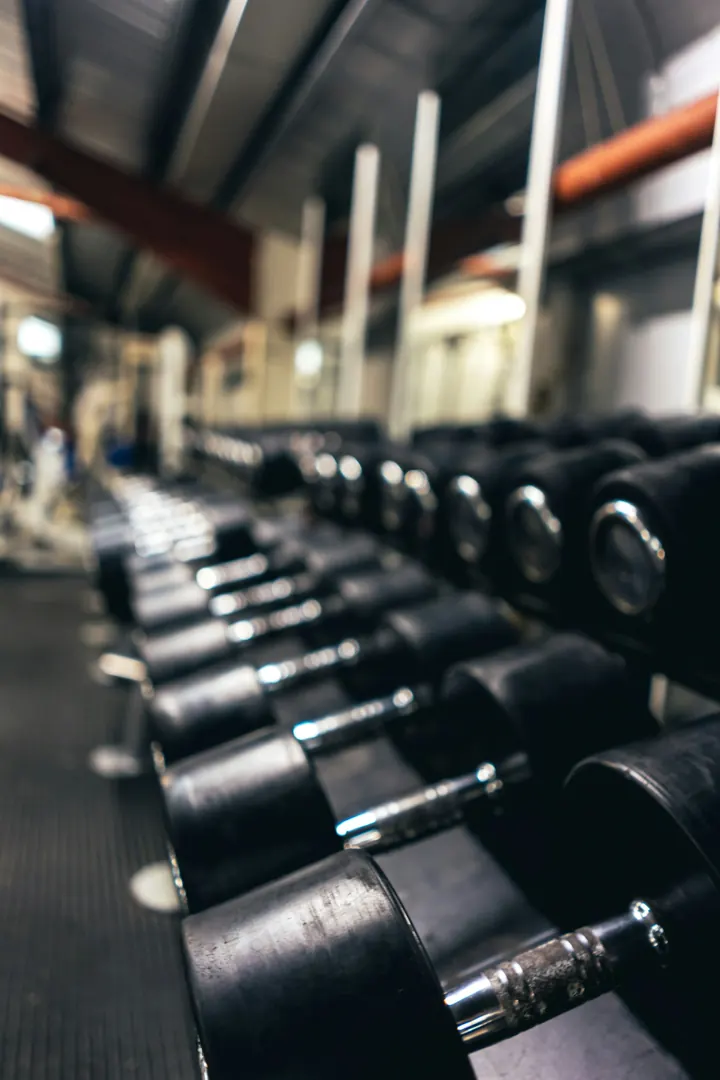
| Weeks 2 to 3 (if cleared) | Stationary bike, incline treadmill walk, light leg extensions | Barbells on back (squat rack), deadlifts, any upper body |
| Weeks 4 to 6 | Gradual machine chest press, light rows, light curls at 40% to 50% load | Max effort bench, deep weighted dips, kipping pull-ups, rugby/GAA contact |
| Weeks 6 to 8+ | Progressive return to full working weights, swimming, field sports | Ignoring sudden one-sided swelling if you ramp volume too fast |
Watch out for sneaky chest tension on 'leg day': gripping heavy dumbbells for lunges or wedging your shoulders back under a heavy squat bar stretches the pectoral fascia hard in weeks two and three.
Driving, flying and warning signs to phone the clinic over
Resume driving once you are off strong painkillers, can wear a three-point seatbelt across the vest without wincing, and can make an emergency steering swerve comfortably. Surgeons advise waiting five to seven days before short-haul flights, wearing loose layers and flexing your ankles regularly in the air.
Phone your surgical team promptly if you notice:
- one side of the chest rapidly ballooning, turning rock-tight or throbbing far more than the other
- temperature, spreading hot redness or cloudy fluid soaking through a dressing
- sloshing fluid under the skin at week two (a painless seroma that takes minutes to drain in clinic)
- calf swelling or tenderness, or go straight to an emergency department for sudden chest pain or shortness of breath
Common questions
Why does my chest feel lumpy at week four when it looked flat on day two?
Normal internal healing (scar induration) peaks between week three and week ten as collagen forms where the gland sat. It softens steadily on its own between months three and six.
Can I sleep on my side or front?
Stick to sleeping on your back, slightly elevated, for at least the first two to three weeks until soreness fades and your surgeon clears side sleeping.
When can I shower?
Most surgeons use splash-proof dressings over dissolving stitches and allow a lukewarm back-to-the-water shower after 48 to 72 hours, patting the tape dry afterwards; no baths, sea swims or saunas until wounds are fully sealed.
Should I eat in a calorie deficit during recovery to look leaner?
No. Eat around maintenance calories with plenty of protein for the first month so incisions seal cleanly and you hold onto muscle while away from heavy weights.